
Discover Clay County's Best-Kept Secrets - Local Gems Await
A Local’s Guide to Clay County, WV — Hidden Gems, Eats, and Outdoor Adventures
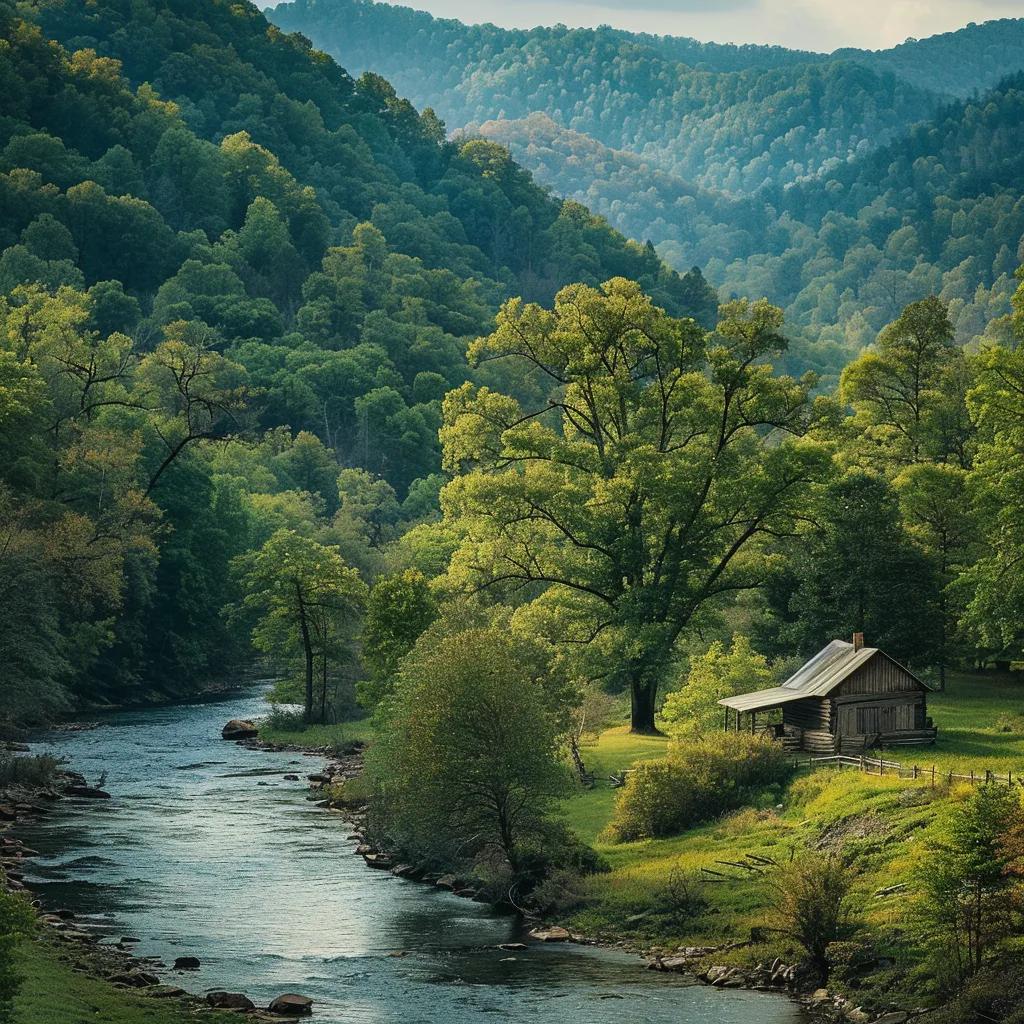
Clay County, West Virginia, is small in miles but rich in discoveries: tucked viewpoints, longstanding craft traditions, and outdoor moments that reward anyone willing to slow down and look. This guide points you to quieter stops — neighborhood restaurants, short hikes, paddling stretches, seasonal festivals, and the shops where local makers sell pottery, quilts, stained glass, and jewelry — so you can plan days that feel deliberate, not rushed. People searching for "Clay County WV attractions" or "offbeat things to do in Clay County" usually want clear, practical routes and community-minded places; that’s exactly what you’ll find here, with locally sourced suggestions and simple planning tips. You’ll learn where to taste Appalachian cooking, which trails open the best viewpoints, how festivals keep music and craft alive, and where to buy genuine handmade work. Throughout, we stress stewardship — how thoughtful visits and purchases help sustain makers and the landscapes they depend on. Read on for quick lists, comparison tables, and sample itineraries to turn curiosity into a real Clay County visit.
Old Mountain Field Fine Arts & Crafts and nearby Walker Creek Farms & Cabins act as local connectors for visitors exploring Clay County’s quieter corners. Old Mountain Field highlights Appalachian fine arts and handmade goods from regional artisans and is a useful first stop for anyone wanting to meet makers in Matewan. Walker Creek Farms & Cabins is a nearby lodging and host brand that helps guests pair peaceful stays with gallery visits and nearby trails. This guide is community-curated, not promotional: the aim is to steer you to authentic places where your time and purchases directly support craftsmen, craftswomen, and land stewardship. With that in mind, the sections below begin with dining and outdoor picks, then move into artisan shops, festivals, and practical planning advice.
Where to Eat: Local Restaurants and Eateries in Clay County, WV
Eating in Clay County centers on homestyle Appalachian cooking — family-run counters, cozy diners, and small cafés serving hearty, seasonal plates made from regional ingredients. These places work because they pair old-fashioned methods — slow-simmered stews, skillet-fried favorites, house preserves — with a friendly, sit-down-where-you-like atmosphere where locals swap trail tips. If you’re searching for "unique restaurants in Clay County," the draw is honest food made with care, not fancy plating. For a balanced day, pair a morning walk on the Clay County Park Trail with a country-style breakfast, and finish riverside after an afternoon on the Elk River. The short list below highlights places that capture the county’s flavor and hospitality.
Three reliable dining picks that give a true taste of the area and are great first stops for visitors:
Matewan counter-style café — generous breakfast plates and a neighborly vibe; a good start before heading out to trails.
Roadside homestyle diner near the Elk River — classic pan-fried favorites and hearty portions, ideal after a morning on the water.
Casual bakery-and-coffee spot near Clay County Park Trail — sandwiches, baked goods, and easy takeout for a picnic.
Use the compact comparison table below to choose quickly before you leave.
Dining Option | Cuisine | Price Range | Family-Friendly | Notable Dish |
Country counter (Matewan area) | Appalachian breakfasts & lunches | $ | Yes | Hearty biscuit breakfast |
Roadside homestyle diner (near Elk River) | Comfort plates & daily specials | $$ | Yes | Pan-fried plate with regional sides |
Bakery & picnic deli (near Clay County Park Trail) | Baked goods, sandwiches | $ | Yes | House-made preserves and sandwiches |
That table helps you pick by budget or whether you’re traveling with kids. For longer stays, ask locals where they take out-of-town friends — those recommendations often lead to the most genuine meals.
Hidden Gem Restaurants That Serve True Appalachian Food
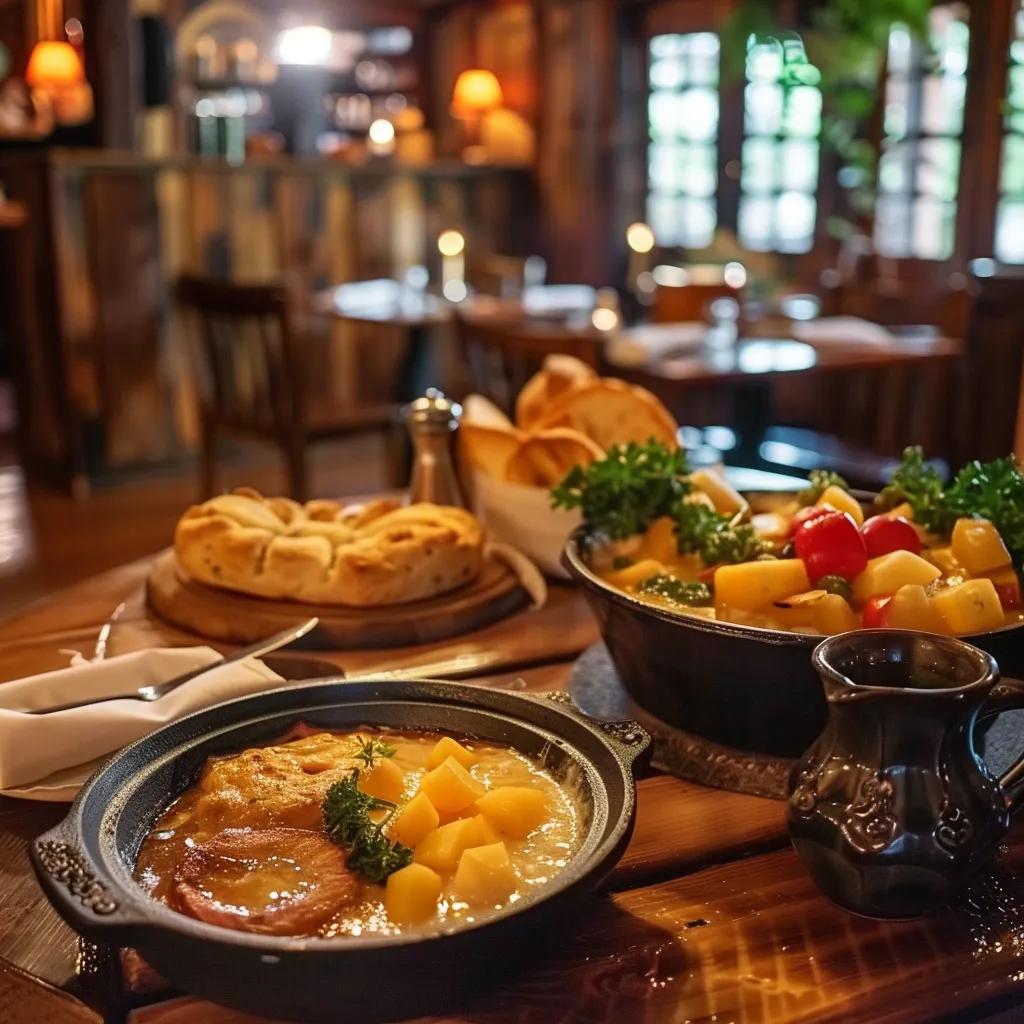
Appalachian cooking here rests on soul-satisfying staples: slow-simmered soups, preserved fruits, hand-formed biscuits, and skillet sides made by cooks who learned from family recipes. Many of these places source regionally when possible, so menus reflect seasonal harvests and foraged flavors that tie each meal to place. Look for dishes with preserved apples, slow-roasted meats, or skillet vegetables — they tell the story of local foodways and add context to the crafts you’ll see later at galleries and festivals. After a plate like this, it’s easier to appreciate the materials and traditions behind local pottery, quilts, and woodwork.
Family-Friendly, Off-the-Beaten-Path Places to Eat
Family-friendly dining in Clay County is simple and welcoming: large portions, straightforward menus with kid favorites, and often outdoor seating or picnic-ready options for families exploring trails and waterways. These spots trade trendiness for comfort, which fits a day of play and discovery. Practical tip: arrive before weekend peak times, and consider pairing a meal with a short nearby hike or playground to keep kids moving. If you’re staying at Walker Creek Farms & Cabins, ask your hosts — they usually point guests to trusted family-run spots that show Clay County’s true character.
Trails & Water: Short Hikes and Outdoor Activities in Clay County, WV
Clay County’s outdoor options are compact and accessible: short trail loops, river corridors, and small lakes that work well for scenic walks, wildlife viewing, and relaxed outdoor outings for families and experienced hikers alike. The ridge-and-valley terrain rewards modest climbs with wide views, while streamside paths offer quiet birding and seasonal flowers. Outdoor time pairs naturally with other local activities — a paddle on the Elk River or an afternoon at Lake Sampson complements a morning hike and a stop at an interpretive site. Below are recommended trails and water activities to help you plan outdoor time.
Clay County Park Trail — short loops with picnic areas and viewpoints, easy for families.
Buffalo Creek pathways — gentle streamside walks with good birdwatching and wildflower viewing.
Devil's Sawmill access routes — a smaller trail network with historical points of interest for walkers who like context with their scenery.
To simplify planning, the table below outlines each route’s length, difficulty, and what to expect at the trailhead.
Trail or Activity | Length | Difficulty | Key Features |
Clay County Park Trail | 1–2 miles | Easy | Picnic areas, viewpoints, well-marked loops |
Buffalo Creek path | 1–3 miles | Easy-Moderate | Streamside walks, birding opportunities |
Devil's Sawmill routes | 0.5–2 miles | Moderate | Historical markers, small cascades |
Match these options to your group’s fitness and scenery preferences; the next section points out which routes deliver the best photo ops and sweeping views.
Best Trails for Views and Gentle Nature Walks
For wide panoramas and relaxed nature time, aim for short ridge overlooks and creekside loops that give a layered sense of the Appalachians — open ridgelines and intimate stream corridors in one outing. Many ridge climbs are under a mile and open to long views of valley patterns and distant ridgelines on clear days, making them good half-day options. Buffalo Creek and similar stream routes highlight freshwater habitats and seasonal blooms; pairing a ridge overlook with a creek walk gives photographers and families both dramatic vistas and peaceful exploration.
Water Activities on Elk River and Lake Sampson
The Elk River and Lake Sampson offer approachable water recreation: paddling, fishing, and shoreline picnics when conditions allow. Slower river stretches are beginner-friendly for kayaks and canoes, and anglers can find productive pockets in season. Safety first: check current flow and water levels before heading out and always wear a life jacket. Lake Sampson’s gentle launches and gradual shorelines make it especially family-friendly for supervised paddling and lakeside picnics. A morning on the water and an afternoon visiting an artisan shop make for a balanced local day.
Off-the-Beaten-Path: Local Landmarks and Hidden Attractions in Clay County, WV
Clay County’s offbeat attractions are modest, meaningful places — small historic sites, geological features, and community landmarks that reflect local memory and Appalachian life rather than big tourist draws. Many of these sites require local knowledge or a short drive down quiet roads, and they reward curiosity with interpretive plaques, unusual geology, and small museum moments. Visiting these spots helps explain settlement history, logging and mining legacies, and the cultural practices that shaped crafts and music here. The list below names a few places worth a stop and why they matter to curious travelers.
Devil's Sawmill — a scenic or historic spot with local stories and interpretive context.
Matewan riverfront points — small-town scenes that reveal community history and river ties.
Country cemeteries and roadside markers — intimate windows into family and settlement stories.
The short table below gives a quick sense of each site, why to visit, and who typically cares for it.
Attraction | Why Visit | Typical Visit Time | Organized By |
Devil's Sawmill | Scenic and interpretive value, local lore | 30–60 minutes | Local community groups |
Matewan riverfront | Historical small-town character | 1–2 hours | Town organizations |
Local interpretive markers | Culture and local stories | 15–45 minutes | Historical societies/volunteers |
These compact stops fit neatly into driving loops; the section that follows ties these places back to Clay County’s broader Appalachian story.
Must-See Lesser-Known Historical and Natural Sites
Small sites often hold big meaning: a riverside marker that tells a founding family’s story, the ruins of an old mill framed by moss, or a quiet overlook maintained by volunteers. These micro-attractions usually take little time but offer cultural payoff: they show how people adapted to ridge-and-valley terrain, the role of small industries, and the continuity of craft traditions you’ll see in shops and festivals. Build flexible time blocks into your trip so you can listen to local stories and photograph scenes in the best light. After a few visits, patterns emerge that connect landscape, labor, and local aesthetics — the through-line of your trip.
How These Sites Reflect Clay County’s Appalachian Heritage
Clay County’s landmarks are traces of Appalachian heritage: they show how geography shaped work, how resourceful craft traditions grew from available materials, and how festivals, church gatherings, and cooperative labor kept culture alive. Seeing these places explains why quilts, pottery, and local songs look and sound the way they do, and why certain foods appear on community tables. That cultural context makes shopping for handmade goods and attending events richer — your visit becomes part of a longer story, not just a string of stops. Supporting local artisans this way benefits both visitor and maker.
Where to Shop: Artisan Shops and Small Businesses in Clay County, WV
Clay County’s artisan scene centers on small galleries, co-op shops, and seasonal craft fairs where makers sell pottery, stained glass, quilts, and handmade jewelry rooted in Appalachian techniques and materials. These venues double as cultural hubs where you can meet makers, learn about their processes, and take home pieces that mean something. One key gallery is Old Mountain Field Fine Arts & Crafts, which curates Appalachian work from West Virginia and Kentucky and represents more than 40 local artisans. Its presence in Matewan connects visitors with potters, quilters, and jewelers while reinforcing the link between craft sales and cultural preservation.
Old Mountain Field Fine Arts & Crafts is at 100 Bridge St, Matewan, WV 25678 and features handcrafted pottery, stained glass, quilts, and jewelry from local makers. If you’re after regional souvenirs or want to meet artists, stop by Old Mountain Field or call ahead — it’s a reliable starting point. Walker Creek Farms & Cabins often partners with galleries and hosts to help guests combine overnight stays with gallery visits and nearby trails. Those local connections make planning multi-day itineraries that mix outdoor time with craft experiences much easier.
What Handmade Goods to Look For from Clay County Artisans
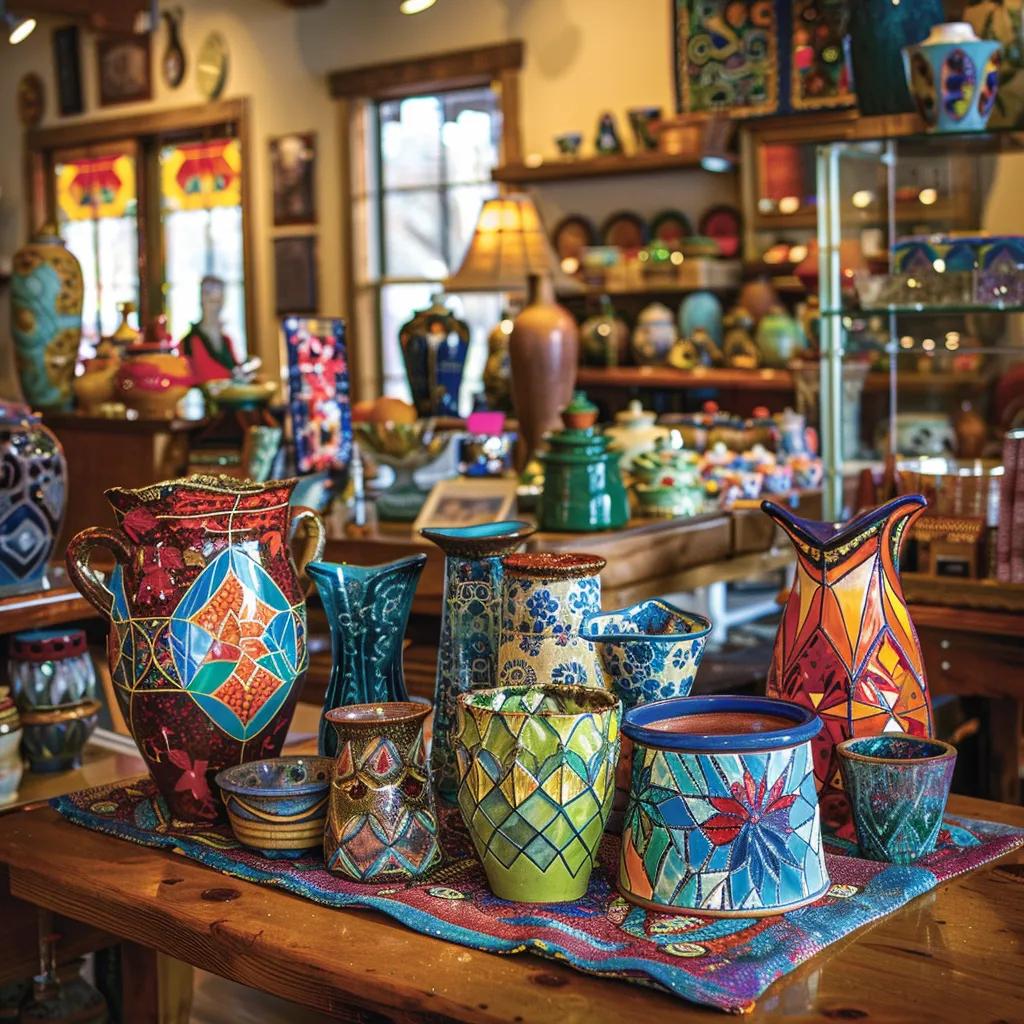
Local makers produce wheel-thrown and hand-built pottery, stained-glass panels and sun catchers, hand-quilted bedcovers and wall hangings, and small-batch jewelry that often uses regional materials. Each craft carries local signatures: pottery glazes and forms shaped by practical use, quilts that preserve family and regional patterns, and stained-glass palettes tuned to Appalachian light. Buying these pieces supports maker livelihoods and helps pass skills between generations; it also gives you a tangible connection to the places that inspired each object. For collectors, asking about materials and provenance turns a purchase into a story to bring home.
Appalachian Arts and Crafts: Heritage Preservation and Economic SignificanceArtisan traditions have long been tools for cultural survival and local economic life. Over time some skills — carving, furniture making, weaving, and other household crafts — declined, but revival efforts helped communities recognize the cultural and practical value of these arts. During the Progressive Era, local women and community leaders played key roles in preserving and promoting these practices as both heritage and livelihood. The Craft Revival: Preserving Culture, Changing Lives, 2014
Product Type | Typical Materials/Technique | What to Look For |
Pottery | Local clays, wheel-thrown or hand-built | Maker marks, functional glazing |
Quilts | Cotton/wool, hand-pieced patterns | Traditional patterns, hand-quilting |
Stained Glass | Leaded or copper-foiled glass | Color composition, artisan signature |
Jewelry | Metals, local stones or motifs | Craftsmanship, unique motifs |
Use this table to spot pieces that appeal most and to read the craftsmanship signals that suggest a lasting, meaningful purchase.
How Buying Local Helps Preserve Appalachian Traditions
When you buy directly from makers, money goes straight to the people preserving skills and teaching the next generation. That support keeps time-intensive methods — hand-quilting, wheel-throwing, small-batch jewelry making — viable. Responsible patronage looks like asking about materials, choosing repair over replacement when you can, and attending demonstrations or workshops many shops offer during festival weekends. Those choices help preserve craft knowledge and strengthen the local economy so future makers can keep these traditions alive.
Festivals & Events That Highlight Clay County’s Culture and Hidden Gems
Clay County’s festival calendar focuses on apples, music, crafts, and seasonal gatherings that bring artisans, musicians, and food vendors together. The Golden Delicious Festival is the signature event celebrating local apple culture and related crafts. Festivals are the easiest way to meet multiple makers, sample local foods, and experience performance traditions in one visit. The compact table below summarizes key events and what to expect.
Event | When | Main Attractions | Who Organizes |
Golden Delicious Festival | October (typical) | Apple-themed vendors, craft booths, family activities | Local festival committee |
Summer Jam | Summer months | Live music, local food, community booths | Community organizers |
Seasonal craft fairs | Spring–Fall | Artisan stalls, demonstrations | Local galleries/volunteer groups |
Use this as a planning snapshot; exact dates shift year to year, so check local listings or contact hosts before you travel.
When Are Key Annual Events Like the Golden Delicious Festival?
The Golden Delicious Festival usually takes place in the fall, often in October, when apple harvests and autumn color line up. Summer events like Summer Jam happen during warmer months and focus on music and family activities. Seasonal craft fairs typically run from spring through fall, matching harvest and visitor seasons so artisans can show their work when demand is highest. Because dates change, treat these notes as a guide and confirm details through community channels near your trip.
How to Experience Community Celebrations Respectfully
To get the most from festivals while respecting hosts, arrive early, attend artisan demonstrations, ask makers about their processes, and join family-friendly activities. Be mindful of performance schedules, follow photography guidance from vendors, and buy directly from artisans when possible so proceeds stay local. Talk with volunteers and organizers — those conversations often reveal insider tips about nearby hidden spots and the best local places to eat. Treat festivals as cultural exchanges: they’re chances to learn, listen, and leave a positive impression.
Planning Your Visit: Make the Most of Clay County’s Hidden Gems
A well-planned visit mixes short activity blocks — a morning hike, a midday gallery stop, an afternoon on the water, and an evening meal — so you experience landscape, craft, and community at a relaxed pace. Practical planning points include factoring rural drive times, packing season-appropriate gear, and leaving room to talk with makers and hosts who can suggest lesser-known spots. Lodgings that partner with artisans, such as Walker Creek Farms & Cabins, help coordinate stays with gallery visits and trail access. Use the checklist below to shape a weekend or day trip that balances outdoor time with cultural engagement.
Pack layered clothing and sturdy shoes for changeable Appalachian weather.
Bring a small reusable bag for artisan purchases and a notebook to record makers’ stories.
Plan gallery and festival visits for mid-day to avoid peak trailhead crowds.
Below is a short sample itinerary for a day that blends the best of Clay County’s offerings.
Sample Itinerary | Morning | Afternoon | Evening |
Half-day to full-day plan | Short hike at Clay County Park Trail | Visit Old Mountain Field Fine Arts & Crafts; lunch at a local diner | Riverfront stroll or evening music at a community venue |
This model helps you combine active exploration with artisan discovery and local dining.
Essential Tips for Exploring Clay County Safely and Respectfully
Bring weather-appropriate layers, water, and snacks for shorter hikes; respect private property and posted signs; and check river flow or lake levels before paddling. Rural cell service can be limited — download offline maps or take printed directions to remote trailheads and tell someone your route if you’re heading out alone. Practice Leave No Trace: pack out trash, avoid disturbing historic sites, and follow trail rules to protect the places you visit. These simple habits keep Clay County welcoming for everyone.
How to Support Small Businesses and Honor Local Culture
Support small businesses by buying directly from artisans, attending events, tipping at eateries, and asking about care or repair for handmade items to prolong their life. Respect local culture by listening to stories, following venue rules, and asking before photographing people or private property. If you make a meaningful purchase, ask about workshops or future learning opportunities — many artisans welcome engaged visitors and can point you to ways to invest in local craft economies. Thoughtful visitors leave with real goods and stories, and communities keep the resources to sustain their traditions.



Comments