
Your Guide to Farm-to-Table Living at Walker Creek Farms
Updated: Nov 26, 2025
Farm-to-Table Living at Walker Creek Farms — Savor Seasonal Appalachian Foodways and Sustainable Dining
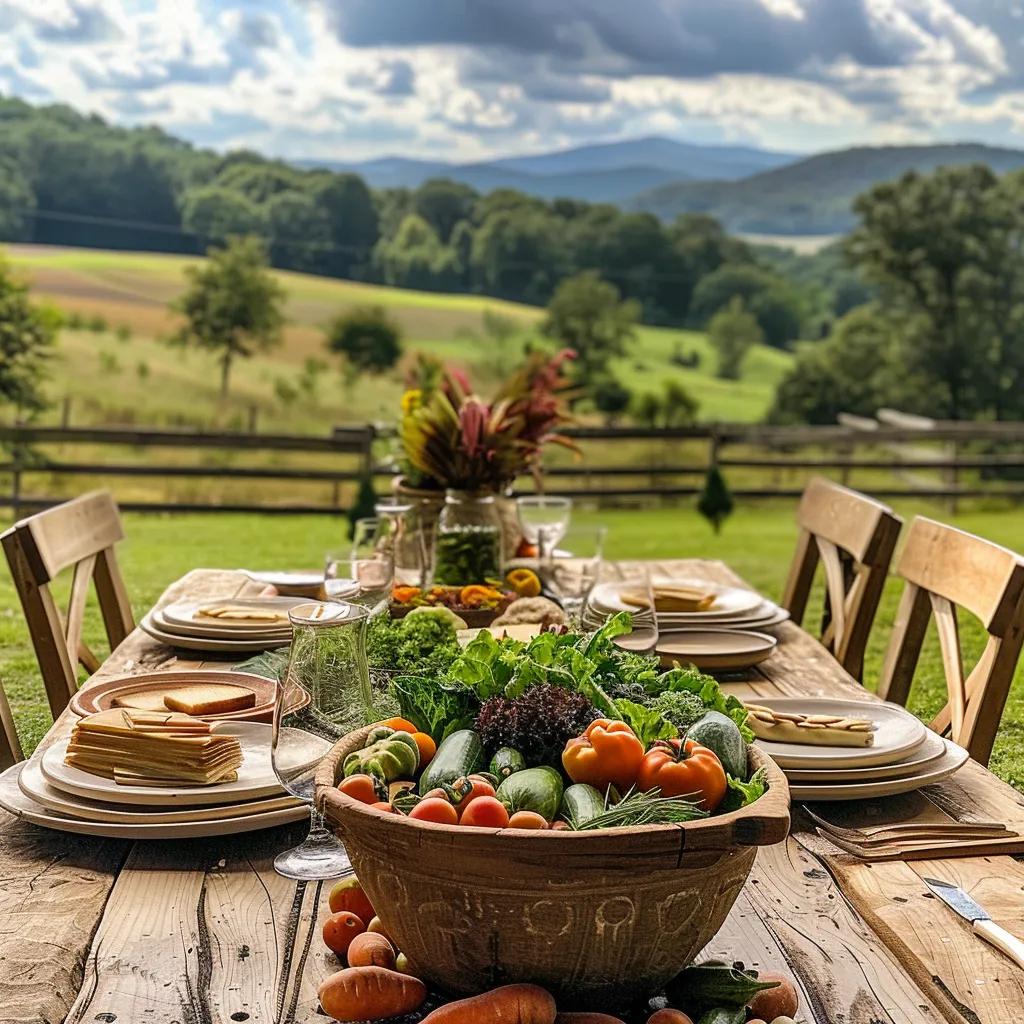
At Walker Creek Farms, farm-to-table living means eating food grown, raised, and prepared within a short radius of where you sleep and dine. We center seasonality, stewardship, and Appalachian culinary traditions in every menu — cutting food miles, preserving peak flavor and nutrition, and building direct connections between producers and guests. Read on to see how thoughtful sourcing, preservation methods, and hands-on experiences combine into genuine regional cuisine; which practical choices support resilient foodways; and how our lodging and dining come together for immersive culinary stays. This piece outlines our sourcing practices and a produce comparison, describes the rustic dining atmosphere and seasonal menu examples, explains how our CSA works with step-by-step guidance, highlights Appalachian recipes and workshops, and lays out cabin packages paired with culinary programming. By the end, you’ll understand the environmental, cultural, and sensory benefits of farm-to-table living — and concrete ways to join the movement.
What Is Farm-to-Table Living and Why Is It Important at Walker Creek Farms?
Farm-to-table living connects production, preparation, and consumption inside a local food network to maximize freshness, transparency, and thoughtful land use. The idea is straightforward: by sourcing ingredients nearby and respecting seasonal cycles, we shorten transport, speed time-to-plate, preserve flavor and nutrients, and keep food dollars in the region. For guests, that means meals that taste better and tell a story — every plate points back to a field, a season, and a person. Research shows direct local sales and seasonal eating can strengthen community resilience and reduce food waste, advancing both ecological and economic goals. Those outcomes explain why experiential stays centered on local sourcing resonate with culinary travelers and sustainability-minded diners alike.
Supporting sustainable food systems begins with production and distribution choices that lower fossil-fuel dependence and encourage regenerative land care. That looks like shorter supply chains, seasonal menu planning, and on-farm processing that keeps nutrients on site. The next section outlines the on-farm practices and measurable benefits that make these systems both resilient and flavorful.
How Does Farm-to-Table Support Sustainable Food Practices?
Farm-to-table supports sustainable food practices by shortening supply chains, promoting seasonal eating, and using regenerative methods that build soil health and biodiversity. Fewer transport miles cut carbon emissions and reduce refrigeration needs; seasonal menus ease demand for energy-intensive out-of-season production. On the ground, this looks like crop rotation to manage pests and balance nutrients, composting kitchen scraps to close nutrient loops, and cover crops to prevent erosion and retain moisture — all steps that strengthen the farm ecosystem and improve harvest quality. The result is more flavorful vegetables and meats with clear provenance, which builds trust and bolsters local food security. These farm practices set the stage for the direct benefits consumers experience through seasonal eating.
What Are the Benefits of Eating Seasonal Produce from Local Farms?
Eating seasonal produce from nearby farms brings clear gains in nutrition, flavor, and community resilience. Produce harvested at peak ripeness holds more vitamins and subtler flavors; it also avoids long storage and extended refrigeration that accelerate loss and waste. Buying from local growers keeps money circulating regionally and creates opportunities to learn directly from the people who raise your food.
Seasonal eating delivers these advantages:
Higher Nutrient Density: Produce eaten soon after harvest retains vitamins and antioxidants that decline during long storage.
Richer Flavor: Peak-season fruits and vegetables show fuller sweetness, acidity, and texture compared with out-of-season substitutes.
Lower Environmental Impact: Shorter transport and seasonally aligned production reduce greenhouse-gas emissions.
Stronger Local Economies: Buying from nearby farms supports small-scale growers and keeps food dollars in the community.
Those benefits explain why guests increasingly seek menus that celebrate harvest windows; the sections that follow show how we organize sourcing to deliver on these promises.
Alongside food, local artisan craft strengthens the guest experience by creating tactile and visual links to Appalachian heritage. Partners like Old Mountain Field: Appalachian Crafts & Artisans provide handmade tableware and objects that complement rustic dining and reinforce regional storytelling.
How Does Walker Creek Farms Source Local Organic Produce for Authentic Appalachian Cuisine?
We combine on‑site production with carefully vetted local partners to supply organic and low‑input produce that follows Appalachian seasonal rhythms. That mix includes growing heritage vegetables on our land, partnering with nearby heirloom growers, and maintaining transparent handling from harvest to kitchen so our chefs receive consistent, flavorful ingredients. The payoff is menus that reflect place and season. The table below maps principal produce items to their growing methods, peak seasons, and common culinary uses so you can see how provenance shapes menu planning.
Produce Item | Growing Method | Seasonality | Culinary Use |
Heirloom Tomatoes | Low-input organic field | Mid-summer | Fresh salads, preserves, roasted accompaniments |
Winter Squash | Organic field with crop rotation | Late fall–winter | Purees, roasting, preservation |
Collards & Turnip Greens | Green manure and cover crops | Fall–early spring | Braises, stews, pickling |
Heritage Beans | Dry-farmed, heirloom seed saving | Late summer–fall | Soups, slow-simmered sides, drying for storage |
This side-by-side comparison shows how specific produce choices inform technique and seasonal planning. Understanding these links helps chefs design dishes that reflect mountain terroir and realistic year‑round supply.
Which Sustainable Farming Practices Are Used at Walker Creek Farms?
Our sustainable practices include crop rotation, cover cropping, reduced tillage, integrated pest management, and on‑site composting to return organic matter to the soil. Rotation interrupts pest cycles and balances nutrient needs; cover crops prevent erosion and build organic matter for better water retention. Integrated pest management emphasizes monitoring and biological controls rather than routine chemical use, protecting beneficial insects and heirloom seed integrity. Together, these methods raise produce quality and substantiate our sustainable sourcing claims. Next, we introduce the people and partnerships behind those ingredients.
Who Are the Farmers and Suppliers Behind Our Fresh Ingredients?
Our partners are smallholders, seed stewards, and market growers who prioritize regional varieties and stewardship over commodity volume. These growers save seed, maintain pasture systems, and specialize in heritage vegetables, delivering predictable quality and distinctive flavor. We vet partners for transparent practices and coordinate season by season so our chefs can plan around harvest windows. Working with artisans and growers who know Appalachian foodways turns our supply chain into part of the menu’s story — a living resource for storytelling and guest education.
What Makes the Rustic Dining Experience at Walker Creek Farms Unique?
Our rustic dining blends timber, stone, and open‑fire elements with a service style that foregrounds provenance and storytelling. We present each plate with provenance notes or a short story linking ingredients to fields, farmers, and seasonal moments — a small detail that deepens appreciation. Guests enjoy a multisensory meal: handcrafted tableware, woven textiles, the scent of wood‑fire roasting, and the tactile pleasure of local ceramics that together speak to Appalachian heritage. Those design choices, made with regional craftspeople, make the meal feel rooted and authentic.
Authentic ambience: Natural materials and open‑fire elements anchor the meal in mountain aesthetics.
Ingredient storytelling: Menus and servers highlight producer names and field origins for each course.
Artisan tableware: Handmade ceramics and textiles add a tangible connection to Appalachian craft.
These elements combine into a distinct dining identity that complements our seasonal menus; below we show how those menus bring Appalachian flavors to the table.
How Does Our Seasonal Menu Celebrate Appalachian Flavors?
Our menus emphasize Appalachian techniques — slow braises, preservation, pickling, and wood‑fire roasting — paired with local ingredients like heirloom beans, winter squashes, and foraged mushrooms when available. Because dishes rotate with harvest peaks, you’ll find bright tomato salsas in summer and preserved chutneys or braised greens in cooler months. Sample offerings might include July tomato preserves with goat cheese, autumn smoked pork with apple mostarda, and a winter slow‑simmered bean ragoût. This approach honors tradition while allowing thoughtful reinterpretation, and it pairs naturally with hands‑on workshops that teach these techniques.
Who Is the Chef Behind Our Farm-to-Table Culinary Creations?
Our chef centers ingredient-led cooking, seasonal rhythm, and close collaboration with growers — prioritizing terroir over culinary ego. That work includes curating menus, coordinating sourcing, and turning preservation techniques into guest-facing dishes and classes. The chef designs plates to reduce waste — using whole-vegetable preparations, fermenting surplus, and elevating humble cuts — and leads demonstrations that translate kitchen practice into learning tied to regional food culture.
How Can You Join Walker Creek Farms’ Community Supported Agriculture Program?
Joining our CSA connects members directly to seasonal harvests through a predictable share model: members commit for the season and receive weekly or biweekly boxes that reflect what’s ripe. Membership supports farm cash flow and gives you a curated taste of each season. Benefits include reliable access to fresh produce, recipe notes and storage tips, and invitations to farm events that deepen your relationship with growers. Below is a clear step‑by‑step guide to signing up and getting the most from a CSA membership.
Review share options: Compare small, medium, and family shares to match the weekly produce needs of your household.
Sign up during enrollment window: Commit during the announced sign‑up period to reserve your spot and help farmers plan crops.
Select pickup or delivery: Choose on‑site farmstand pickup or a nearby community pickup location.
Engage with add‑ons: Add workshop passes or preservation classes to get more value from your share.
This simple process prepares members for seasonal rhythms; the table below outlines typical share levels and logistics so you can compare options without pricing details.
Share Level | Frequency | Typical Contents | Pickup Options |
Small Share | Weekly | 4–6 seasonal items | Farmstand pickup or community hub |
Medium Share | Weekly | 8–10 seasonal items | Farmstand pickup, limited delivery |
Family Share | Biweekly | 12+ items plus extras | Farmstand pickup, flexible scheduling |
Use this comparison to match household needs to share characteristics and pickup logistics. With that clarity, you can plan participation and expect seasonal variety throughout the year.
What Are the Benefits of Participating in a CSA Program?
Joining a CSA delivers practical and community benefits: steady access to farm‑fresh produce, closer relationships with growers, more predictable costs than fluctuating retail markets, and invitations to educational events like harvest days. Members receive recipe notes, storage tips, and occasional farm tours that reveal seasonal cycles and preservation techniques. CSAs also build peer networks and collective support for local food systems, helping communities weather unpredictable seasons. Those experiences often spark a deeper sense of stewardship and culinary curiosity.
How Does Our CSA Program Work Throughout the Seasons?
Our CSA adapts shares to seasonal windows — spring boxes emphasize leafy greens and early roots, summer brings tomatoes and herbs, fall highlights storage crops like squashes and roots, and winter shares include preserved goods and hearty staples. Sign‑ups usually happen before planting so farmers can plan allocations. Distribution follows harvest rhythms and may shift during peak or lean weeks; each delivery includes recipe cards and preservation suggestions. Knowing these patterns helps members plan menus and preservation projects, which ties into the workshops and culinary classes we offer on the farm.
What Appalachian Food Traditions and Recipes Inspire Walker Creek Farms’ Culinary Culture?
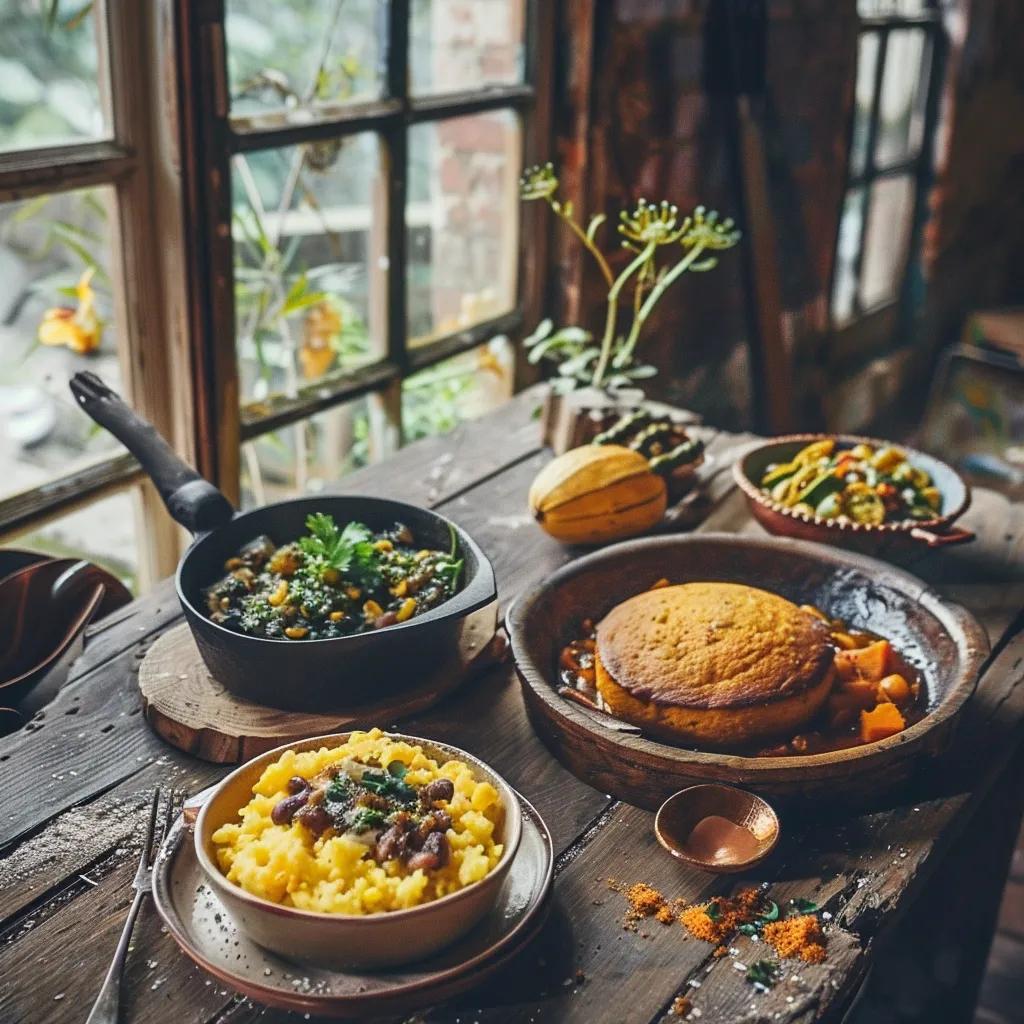
Appalachian food traditions emphasize preservation, resourcefulness, and seasonally driven recipes that reflect mountain ecology and what’s locally available. Cultural practices — canning, pickling, smoking, and stone‑ground grits — provide techniques we adapt or modernize to honor tradition while appealing to contemporary tastes. The result is a cuisine with depth: recipes that carry history and deliver ingredient‑forward satisfaction. Below are traditional dishes and notes on how our kitchen adapts them to seasonal sourcing and modern technique.
Bean and Cornbread Stew: Slow‑cooked heritage beans paired with skillet cornbread, using dried beans saved from summer harvests.
Pickled Ramp Relish: Early‑spring ramps preserved to add bright pungency to winter dishes.
Cured Pork with Apple Preserves: Heritage pork cured and paired with seasonal apple conserves to balance richness with acidity.
Squash and Grits Casserole: Winter squash purée folded into stone‑ground grits for a creamy, comforting main.
These adaptations preserve Appalachian flavors while applying contemporary techniques to improve texture and presentation; the next subsection explains how our hands‑on workshops teach these methods.
Which Traditional Appalachian Recipes Are Featured in Our Kitchen?
Our kitchen rotates Appalachian classics — stewed beans, preserved fruits, cured meats, and maize‑based sides — adjusting each recipe to reflect what’s available while keeping core techniques intact. We note provenance on menus: beans from seed‑saving growers, squash from regenerative plots, and condiments made from kitchen‑preserved harvests. Those menu notes inform workshop curricula, where participants learn both the recipe and the preservation methods behind it.
How Do Our Cooking Workshops and Food Preservation Techniques Connect You to Local Food Culture?
Workshops teach pickling, canning, smoking, and whole‑vegetable use in small groups that combine demonstration with hands‑on practice, placing technique inside cultural and historical context. Participants leave with safe preservation skills, a clearer sense of flavor balance for seasonal ingredients, and the confidence to add preserved items into everyday cooking. Workshops coincide with harvests so you can preserve what’s fresh, and they deepen appreciation for food cycles and community foodways — experiences that naturally complement our lodging packages for immersive farm stays.
How Can You Enhance Your Stay with Farm-to-Table Experiences at Walker Creek Farms’ Cabins?
To enrich a stay, pair cozy cabin lodging with curated culinary programming: farm dinners, chef‑led breakfasts, workshops, and guided foraging or farm tours that connect you to seasonal production. We bundle lodging with scheduled meals and activities to create an easy, immersive itinerary. Guests enjoy relaxation plus hands‑on learning, leaving with sensory memories and practical skills to bring home.
Package Name | Dining Inclusions | Workshops & Tours Included | Ideal Guest |
Weekend Farm-to-Table Getaway | Two chef-hosted dinners, farm breakfast | Intro preservation workshop, farm tour | Couples, food-focused travelers |
Harvest Weekend | Seasonal harvest dinner, brunch | Foraging walk, hands-on canning class | Small groups, families |
Preservation Retreat | Shared meals featuring preserved goods | Multi-day canning and smoking intensive | Amateur preservationists |
This package comparison makes it easy to match lodging choices to the level of culinary engagement you want and helps you plan a visit.
What Farm Stay Packages and Culinary Retreats Are Available?
Sample packages include a weekend getaway with chef‑hosted dinners and a farm tour, a harvest weekend with hands‑on picking and preserving, and an intensive preservation retreat focused on smoking and canning. Each package balances leisure with participatory learning so guests can relax in cabins while choosing activities that match their curiosity and skill level. Workshops are limited in size to ensure hands‑on time, and packages can be customized with add‑ons like private dinners or artisan‑led tableware demonstrations. These curated options make culinary tourism approachable and educational, and they often involve local artisans who provide tactile context for dining.
To complement in‑stay programming, nearby artisans and craft showcases — like Old Mountain Field: Appalachian Crafts & Artisans — offer locally made ceramics and textiles that enhance table presentation and support regional makers. These partnerships underline the cultural continuity between food, craft, and place without implying that craft vendors run the dining program directly.
Which Local Food-Related Attractions and Farm Tours Can Guests Explore?
Guests can expand their visit by exploring farmers’ markets, food co‑ops, artisanal producers, and guided farm tours that focus on heritage crops or sustainable methods. Practical tips: check seasonal market schedules and book guided tours during peak harvest periods to ensure availability. Many attractions emphasize storytelling and demonstrations, and often sell preserved goods or handcrafted serving ware that extend the farm‑to‑table experience at home. Planning visits around harvest windows gives the best chance to witness production and join hands‑on activities.
Final practical advice: coordinate visits with seasonal events and confirm workshop capacities in advance to secure your spot and get the fullest farm‑to‑table immersion.



Comments