
Plan Your Dream Cabin Getaway: Essential Tips & Tricks
How to Plan Your Perfect Cabin Getaway — A Step‑by‑Step Guide to a Relaxing Rural Retreat
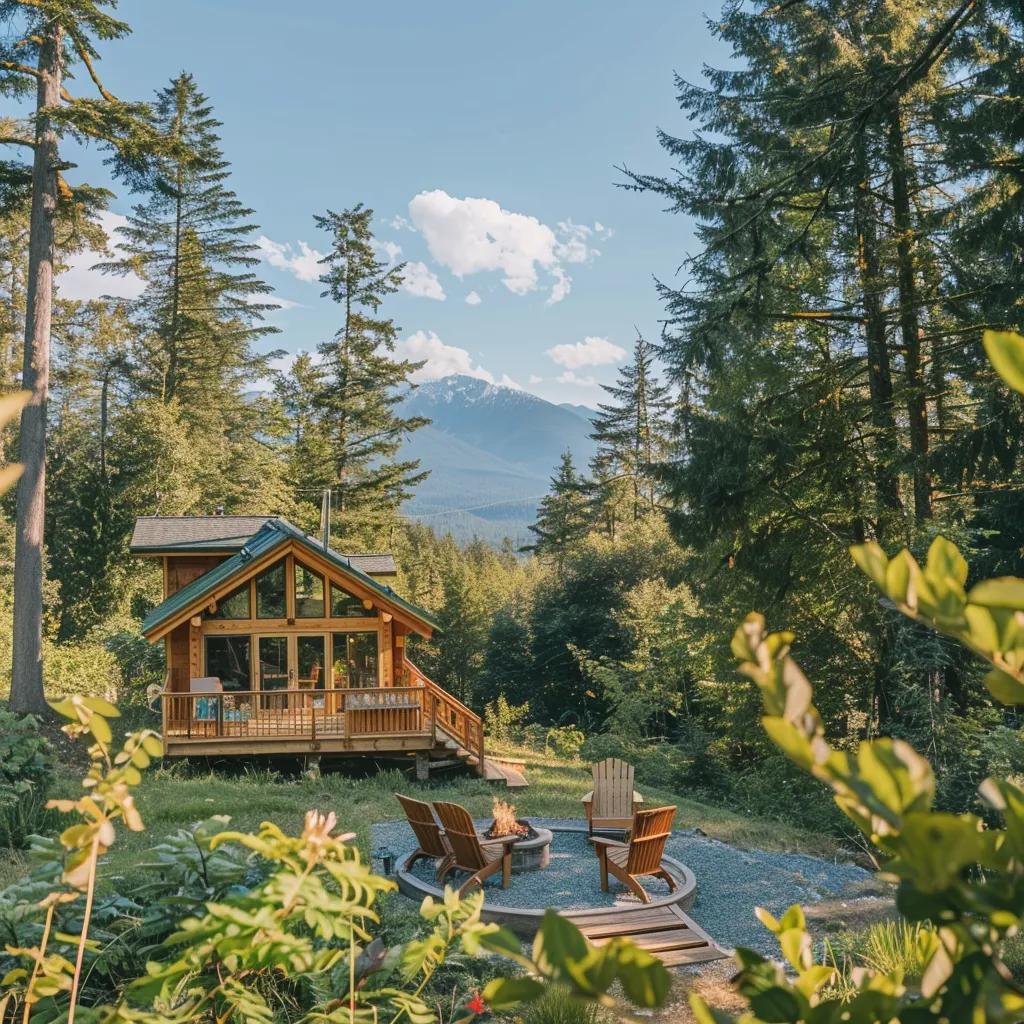
Craving fresh air, slower mornings, and simple outdoor fun? A cabin trip makes that impulse practical: decide where to stay, what to pack, how to budget, and how to arrive without stress. This guide walks you through each step — clarify your trip’s purpose, choose the cabin that fits, match activities to the season, pack smart, and book with confidence. Inside you’ll find quick checklists for amenities, a seasonal packing guide, cost estimates, and arrival/departure tips. Walker Creek Farms & Cabins — an Appalachian retreat that celebrates local fine arts and handmade crafts — shows many of the features we recommend, from a range of cabin types to cozy in‑cabin comforts and on‑site artisan experiences. Follow these steps to pick a destination, shape your days, and handle logistics so you can settle into the retreat you came for. Start by naming the purpose of your trip — it makes choosing the right cabin far easier.
How Do I Choose the Perfect Cabin for My Getaway?
Begin by matching your trip’s purpose — romantic, family, solo, or work‑away — with the cabin’s size, features, access, and rules. List who’s coming and what you want to do, then rank the things that matter most: how many beds you need, the kitchen setup, heating, and whether pets are allowed. That simple approach cuts surprises, shortens packing lists, and makes the stay more comfortable. Use the quick checklist below to capture the four to six top criteria for searching and planning.
Location:Is the cabin close enough to trails, town services, or water for the activities you plan?
Size:Does sleeping capacity and layout suit your group’s comfort and privacy?
Amenities:Does it have the kitchen, heating, hot tub, fireplace, and dependable Wi‑Fi you need?
Accessibility & Policies:Consider road access, parking, pet rules, and any mobility features.
Those basics make comparing options quick — then move on to cabin styles and how amenities shape the experience.
What Are the Different Types of Cabins: Rustic, Luxury, and Family-Friendly?
Rustic cabins lean into a back‑to‑nature feel: simple finishes, quiet surroundings, and easy outdoor access — perfect if you want to hike, unplug, or slow the pace.
Luxury cabins bring higher‑end finishes, full kitchens, entertainment systems, and extras like hot tubs or wide views — ideal for romantic escapes or groups who want convenience and comfort.
Family‑friendly cabins prioritize sleeping capacity, safety, and open living areas for shared time; they usually have durable furnishings, well‑stocked kitchens, and easy access to family activities.
Choosing between rustic, luxury, and family‑friendly helps you weigh cost against comfort and the kind of experience you want, and gets you ready to evaluate amenity lists next.
Which Essential Cabin Amenities Should I Look For?
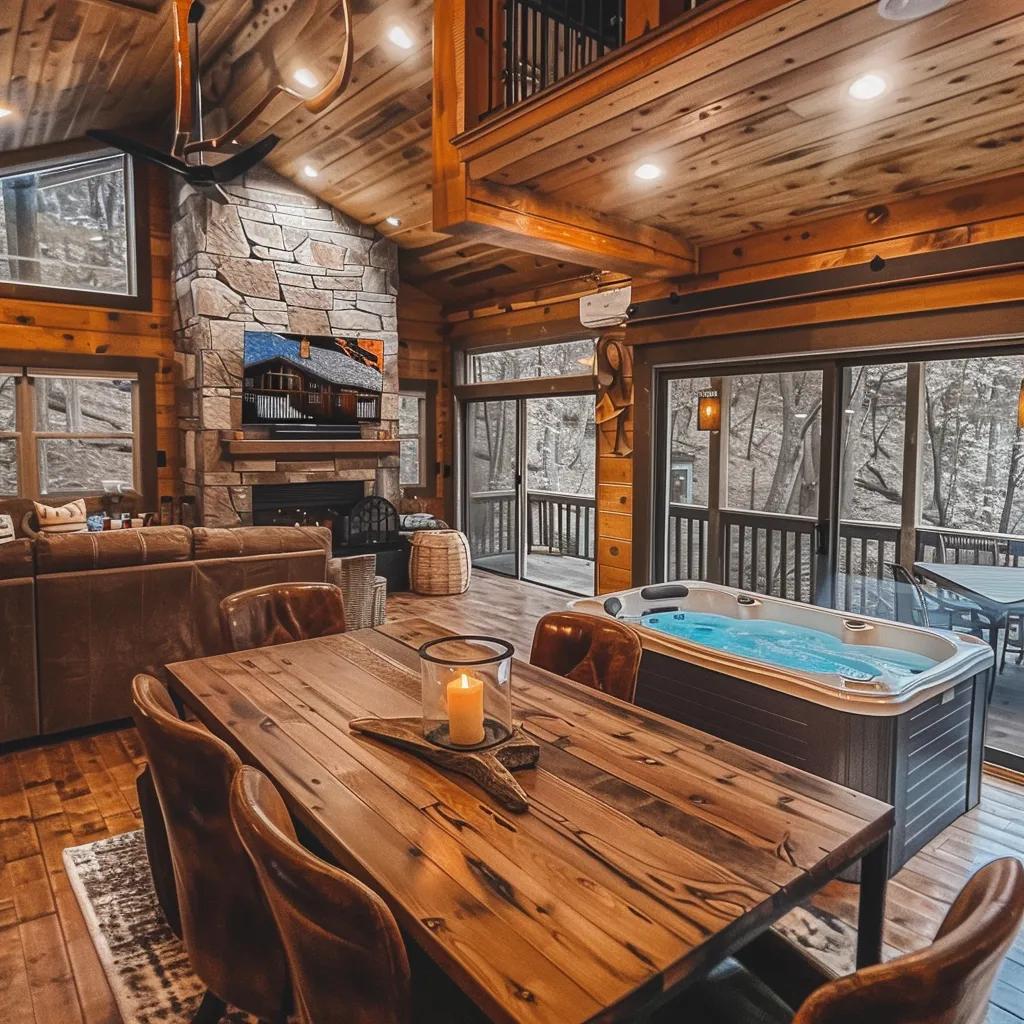
Core amenities shape what you need to bring and what you can do on site. Prioritize reliable heating, comfortable bedding, a full kitchen, and a safe outdoor fire area for baseline comfort. Extras like a hot tub, a wood stove, or a scenic view make downtime feel special — a hot tub is especially welcome on cool evenings. Practical details such as dependable Wi‑Fi, off‑street parking, and clear accessibility notes make arrival and daily life easier, particularly if this is your first cabin stay. Think of amenities as building blocks — kitchen, fire pit, hot tub, Wi‑Fi — that together determine how well the cabin fits your plans.
Different cabin types compared by key attributes:
Cabin Type | Key Attribute | Typical Value |
Rustic Cabin | Sleeping Capacity | Small to medium (2–6) |
Luxury Cabin | Amenities | Full kitchen, hot tub, premium views |
Family-Friendly Cabin | Best For | Groups with children or multi‑family stays |
This quick comparison helps you match cabin qualities to your trip goals and points you toward the right destination for your planned activities.
What Are the Best Cabin Destinations for a Memorable Rural Retreat?
Pick a destination that fits the activities you want: mountains for hiking and big views, lakesides for swimming and paddling, and forests for birding, quiet walks, and artisan markets. Remote spots buy privacy but require extra planning; more accessible locations make spontaneous outings easier. Match terrain and nearby services to your comfort level and you’ll spend less time worrying and more time enjoying the trip. Use the short list below to pick the destination type, then look up nearby attractions and seasonal conditions.
Mountain:Ideal for hikes, scenic drives, and cool evenings.
Lakeside:Best for swimming, kayaking, and fishing.
Forest:Great for birdwatching, quiet walks, and browsing local artisan markets.
Choosing the right destination helps you plan activities and what to pack for the season.
How Do I Select the Ideal Cabin Location for My Trip?
Balance travel time with how much solitude and local service you want. If you’d rather be on site, prioritize shorter drives; if you crave long hikes and silence, pick a more remote spot and plan accordingly. For families or older guests, check proximity to emergency services and grocery stores, and verify road access for the season — winter mountain roads can be tricky. Look for nearby trails, waterways, or markets to add easy outings to your days. These checks let you book with confidence and set realistic daily plans.
What Outdoor Activities Are Available Near Popular Cabin Destinations?
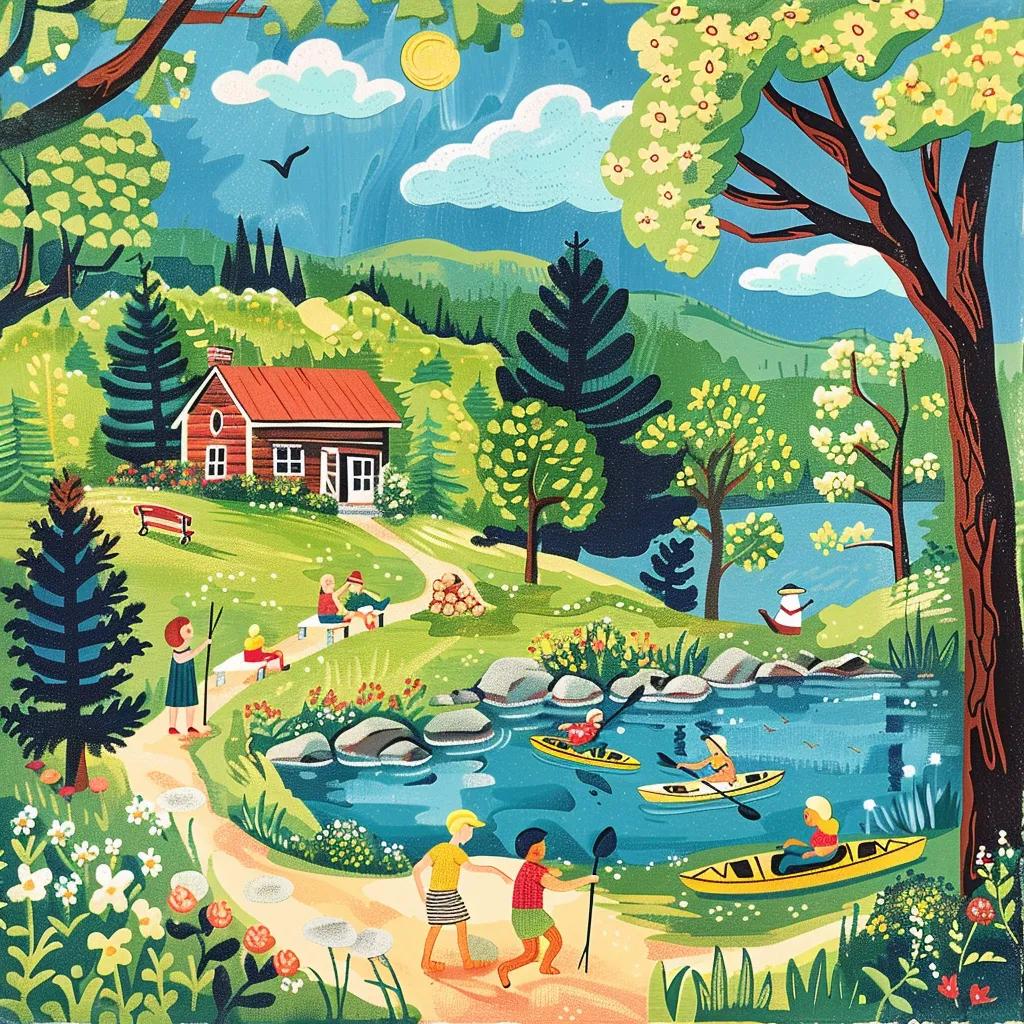
Options vary by location and skill level: from gentle nature walks and picnics to full‑day hikes or water sports that require gear or permits. Families will enjoy short loop trails and calm shorelines; adventure groups can seek ridge hikes or guided paddles. Always check local permit rules, gear rental availability, and seasonal hazards like ticks or icy trails. Planning activities ahead informs packing and budgeting so the trip runs smoothly.
How Can I Plan Fun and Relaxing Cabin Getaway Activities?
Good itineraries mix planned outings with plenty of downtime: try a morning hike or market visit, leave an easy afternoon for reading or naps, and end evenings around a campfire or in a hot tub. The rule of thumb is to alternate moderate outdoor effort with low‑effort on‑site options so everyone — kids, parents, and solo travelers — gets restorative rest alongside memorable moments. Below are activity categories and a sample day to help you design a pace that fits your group.
Morning:A gentle hike or lakeside walk to greet the day.
Midday:Cook together in the cabin kitchen or visit a nearby artisan market.
Afternoon:Read in a cozy nook, try a short craft workshop, or rest.
Evening:Share stories around a campfire or soak in a hot tub under the stars.
Using a simple activity framework makes packing easier and helps structure your days on site.
What Outdoor Cabin Activities Are Perfect for All Ages?
Mixed‑age groups do best with short, flat nature walks, guided wildlife viewing, lakeside picnics, and supervised campfires. These need minimal gear — sturdy shoes, layered clothing, and a basic first‑aid kit — and can be scaled by distance or time. Low‑impact water options like paddling in calm coves or shore fishing work well when life jackets are used. Plan child‑friendly routes and realistic daily lengths so everyone stays engaged and happy.
What Indoor Activities Can Enhance My Cabin Experience?
Indoor options keep the group entertained: board games, puzzles, simple craft projects, and themed cooking nights in a well‑equipped kitchen. For a local touch, try a small artisan craft or browse regional goods to connect with place and makers. Quiet options like a curated reading nook, a movie night with a projector, or a short guided mindfulness session add restorative moments. Having indoor plans ensures bad weather won’t derail your trip and keeps everyone pleasantly occupied.
What Should I Include in My Ultimate Cabin Packing Checklist?
A solid packing list covers clothing and footwear, kitchen basics, safety and first‑aid, toiletries, and entertainment — packing well cuts on‑site purchases and leaves more time to relax. Since cabins vary in what they provide, tailor your list to your cabin type and season so you don’t forget essentials like spare batteries, layers, and pantry staples. The payoff is twofold: saved money and fewer last‑minute runs to town. Below is a prioritized essentials list and a table to guide seasonal choices.
Layered clothing and a waterproof jacket for changing conditions.
Sturdy shoes for trails and water shoes if you’ll be near water.
A compact first‑aid kit and any prescription medications.
Kitchen staples: cooking oil, salt, coffee/tea, and storage bags.
Chargers, spare batteries, and a reliable flashlight.
These basics form the foundation for the seasonal tweaks described next.
Category | Attribute | Seasonal Note |
Clothing | Layers & waterproofs | Winter: insulated layers; Summer: breathable fabrics |
Kitchen | Staples & tools | Bring basic pantry items unless the cabin lists them |
Safety | First‑aid & traction | Winter: ice grips; Summer: insect repellent |
Entertainment | Games & books | Include family‑friendly options and a few craft supplies |
This table helps you prioritize packing by season and planned activities so you arrive ready for the days ahead.
What Are the Essential Items to Bring for a Cabin Trip?
Start with layered clothing, sturdy shoes, and weather‑appropriate outerwear — temperature swings are common, and layers keep you comfortable. Pack a compact first‑aid kit, prescriptions, and basic over‑the‑counter remedies since pharmacies can be far away. To save money, bring staple ingredients and a few preferred utensils for shared meals. Don’t forget chargers, flashlights, and reusable containers for food storage — having these on hand lowers stress and keeps the trip running smoothly.
How Do Seasonal Changes Affect My Cabin Packing List?
Seasons shift priorities: winter calls for insulated layers, ice traction, and heavier boots; summer for sun protection, insect repellent, and breathable fabrics. Spring and fall favor versatile layering, rain gear, and shoes that handle mud or slick leaves. Add activity‑specific items — water shoes for lakeside trips or trekking poles for long hikes — based on your plans. Tailor your list to seasonal hazards and activities so you can focus on enjoying the time away instead of running to town.
How Do I Budget and Book an Affordable Cabin Rental?
Build your budget by listing cost components — rental fee, cleaning fee, security deposit, groceries, and travel — then estimate low/medium/high ranges to set realistic expectations. Control costs by choosing off‑season dates, midweek stays, or a simpler cabin, and by self‑catering to reduce dining expenses. The result is a predictable total that fits your budget and helps you decide where to splurge. Below is a short checklist and a table showing common cost items to help you estimate expenses quickly.
Pick off‑peak dates or midweek stays to lower nightly rates.
Choose a cabin that meets your needs without paying for unused extras.
Plan meals in advance to cut eating out and food waste.
Cost Component | What It Covers | Typical Low–High Range |
Rental Fee | Per‑night accommodation | Low–Medium–High depending on type |
Cleaning Fee | Turnover cleaning costs | Small flat fee to moderate |
Security Deposit | Damage protection | Refundable hold or fee |
Groceries & Supplies | Food and consumables | Budget based on group size |
Travel | Fuel or transportation | Varies with distance and mode |
That breakdown shows where to save and where it’s worth spending, and leads naturally into booking steps for first‑time guests.
What Are Tips for Budgeting Your Cabin Vacation Effectively?
Estimate the rental fee and add fixed costs like cleaning and any security hold, then include likely grocery and travel expenses to reach a total trip number. Use trade‑offs — fewer nights, a simpler cabin, or cooking most meals — to cut variable costs without losing the experience. Watch booking windows: early‑bird discounts and last‑minute deals can both offer savings, and midweek stays often cost less than weekends. These tactics help you decide whether to reallocate funds for activities or upgraded amenities before you reserve.
How Do I Book My Cabin Stay at Walker Creek Farms?
To book at Walker Creek Farms & Cabins, confirm your travel dates and group size, then review cabin descriptions to match your goals with the property’s cabin types and amenities. Ask about policies that affect packing and budget — cleaning fees, pet rules, and which in‑cabin supplies are provided — and confirm any artisan experiences or on‑site features you want to include. When you reserve, request clear arrival instructions and a confirmation checklist so you know what to bring and when to arrive. Using Walker Creek Farms as an example makes it easier to align your booking choices with the planning guidance above while enjoying Appalachian crafts as an added experience.
What Are Important Tips for a Smooth Arrival and Departure?
Smooth arrivals and departures come down to clear directions, knowing the check‑in window, and familiarizing yourself with on‑site orientation points like parking, safety gear, and where to find basic supplies. Preparation is key: gather directions, pack an arrival‑day bag, and confirm check‑in/check‑out times to cut stress. That approach creates a calm first impression and a quick, easy departure that helps protect refundable deposits and host goodwill. The next sections offer property‑specific arrival steps and a departure checklist you can adapt to any cabin host.
Confirm directions and access notes before you leave to avoid navigation problems.
Pack an arrival bag with essentials so you don’t have to unpack immediately.
Review host instructions for parking, key pickup, and safety features when you arrive.
These practical steps lead into Walker Creek‑specific arrival and departure guidance.
What Should I Know About Arrival Procedures at Walker Creek Farms?
At a retreat like Walker Creek Farms & Cabins, expect clear instructions on the check‑in window, parking location, and where keys or access codes are kept — these details smooth your first moments on property. Since Walker Creek highlights Appalachian fine arts and handmade crafts, plan a short orientation to where artisan goods are displayed so you can browse without interrupting settling in. Note practical points like the location of the stove, fireplace, and emergency instructions so everyone knows safety basics right away. Confirming these items before you leave home helps you arrive relaxed and ready to enjoy the stay.
How Can I Prepare for a Stress-Free Departure?
A smooth checkout starts with a brief departure checklist: pack your things the night before, complete any quick cleaning tasks the host requests, and return keys or follow the host’s checkout protocol to avoid fees. Common expectations include leaving the cabin in reasonable order, placing used linens or trash where instructed, and reporting any damages promptly so deposits can be resolved. Allow extra time on departure morning for a final sweep and to confirm any last messages with your host about deposit returns. These steps reduce friction and help build a positive relationship for future stays.



Visitors searching for things to do in Lombok can enjoy a mix of adventure activities and cultural experiences, making the island suitable for both active travelers and those seeking relaxation. Local travel insights are available through Rinjani Trekking Center.